
American
Pacific Northwest Cioppino
A San Francisco fish stew born from Italian-American fishermen, perfected with Dungeness crab and Pacific shellfish.
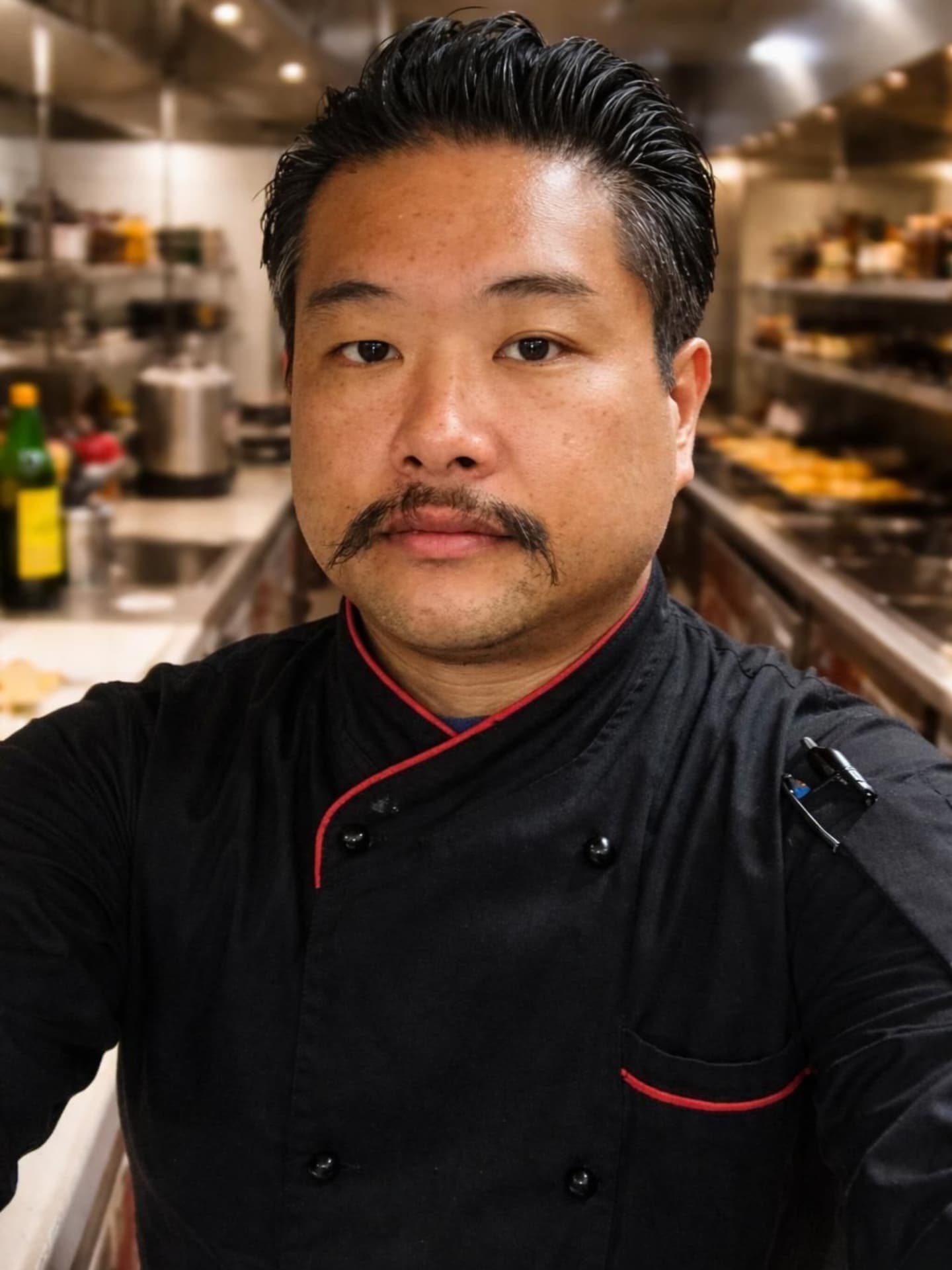
Recipe by Cyman Huang
Cooked, styled and photographed in his kitchen.
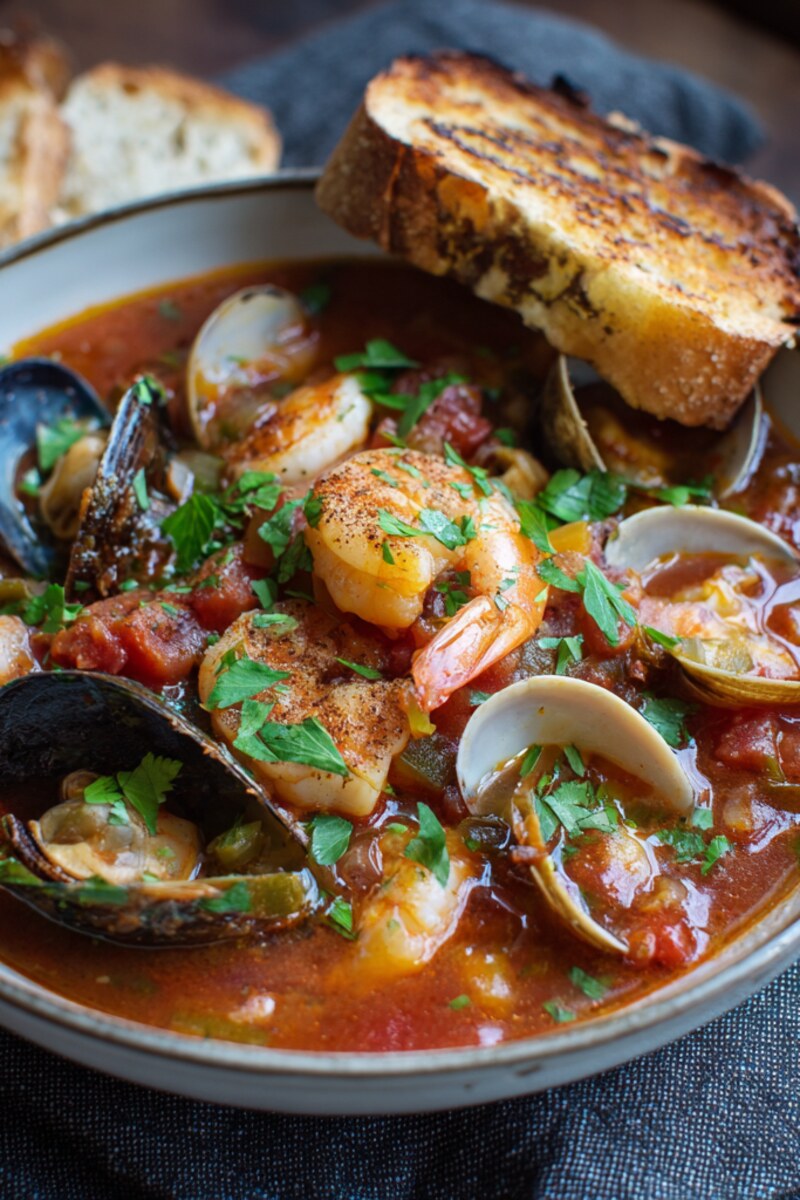
Cioppino is one of the great stories of immigrant culinary adaptation: Italian fishermen in San Francisco's North Beach in the late 19th century created a fish stew by pooling whatever they had pulled from the day's catch into a tomato-wine broth — the name may derive from the Genovese dialect word for “chopped.”
The Pacific Northwest version uses the extraordinary local shellfish — Dungeness crab, Manila clams, mussels, and Chinook salmon — for a stew of spectacular richness and oceanic depth. It is simultaneously the most impressive dish you can put in front of guests and more straightforward to make than it looks.
Watch it come together

Ingredients
- 1 cooked Dungeness crab (1.5–2 lbs), cleaned and cracked into sections
- 1 lb large shrimp, peeled and deveined
- 1 lb Manila or littleneck clams, scrubbed
- 1 lb mussels, debearded
- ¾ lb salmon or halibut fillet, cut into 2-inch pieces
- ½ cup olive oil
- 1 large yellow onion, diced
- 1 large fennel bulb, diced (fronds reserved)
- 6 cloves garlic, minced
- 1 tbsp tomato paste
- ½ tsp red pepper flakes
- 1 cup dry white wine
- 1 can (28 oz) whole San Marzano tomatoes, hand-crushed
- 2 cups clam juice or fish stock
- 1 cup water
- 1 tsp dried basil
- 1 tsp dried oregano
- 1 tbsp fresh lemon juice
- Kosher salt and black pepper
- Fresh parsley and crusty sourdough for serving
Method
- 1
BUILD THE BASE: Heat olive oil in a large Dutch oven over medium heat. Add onion and fennel and cook, stirring occasionally, until softened and beginning to caramelize, about 12 minutes. Add garlic, red pepper flakes, and tomato paste. Cook, stirring, 3 minutes until the paste darkens.
- 2
DEGLAZE: Add white wine and raise heat to medium-high. Cook, scraping up browned bits, until the wine reduces by about half, 3–4 minutes.
- 3
BUILD THE STEW: Add crushed tomatoes, clam juice, water, basil, and oregano. Bring to a simmer and cook uncovered 20 minutes until slightly thickened and the flavors have melded.
- 4
ADD SHELLFISH: Add clams to the simmering broth. Cover and cook 3 minutes. Add mussels. Cover and cook 3–4 minutes until most have opened. Discard any that haven't opened after 8 minutes.
- 5
ADD REMAINING SEAFOOD: Add shrimp and salmon. Gently nestle in the crab sections. Cover and cook 4–5 minutes until shrimp are pink and salmon flakes easily.
- 6
FINISH: Add lemon juice. Taste and adjust salt and pepper. Scatter reserved fennel fronds and fresh parsley over the top.
- 7
SERVE: Bring the pot to the table. Ladle into wide bowls with crab pieces in each. Serve with sourdough for dipping — the broth is the best part.
Substitutions
- Chef's tip: cracking the Dungeness crab before it goes in lets the crab juices flow into the broth during the last minutes, adding a sweetness no fish stock can replicate. Have crab crackers and picks at the table.
Cook this next
American
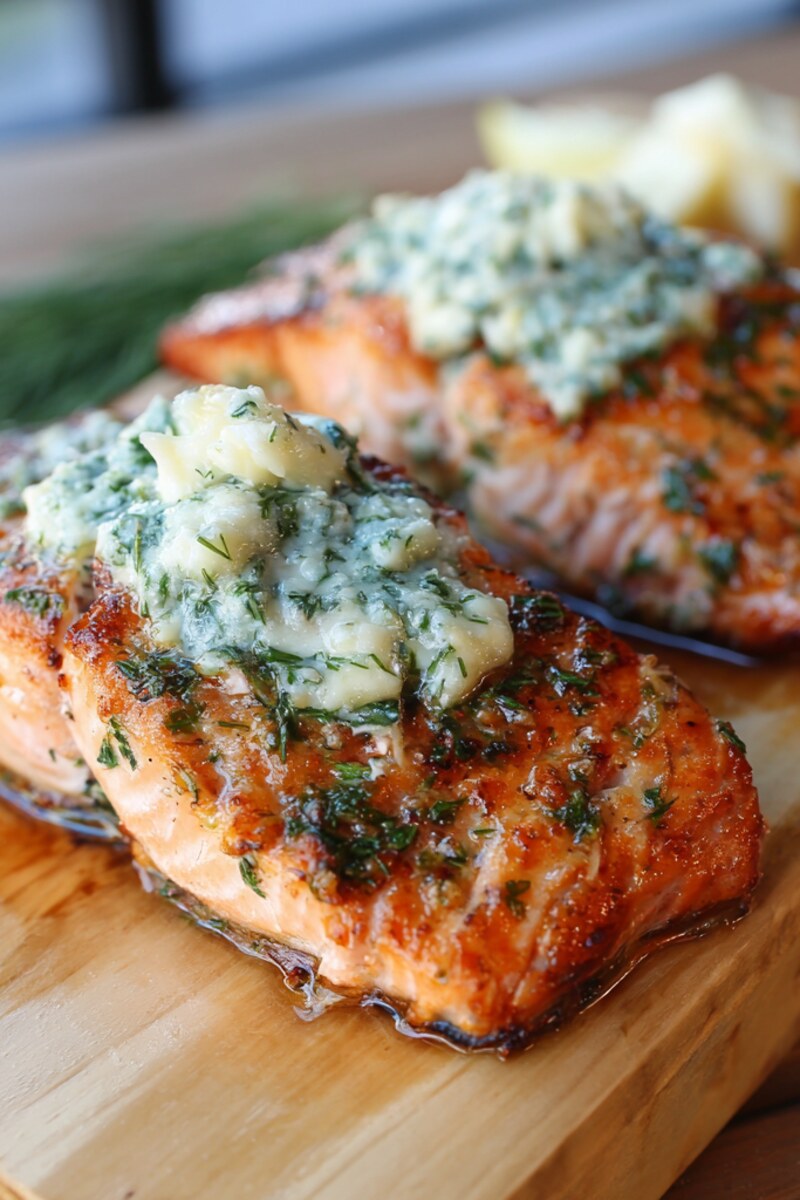
Cedar Plank Salmon
The Pacific Northwest's most iconic preparation — smoky, aromatic, and profoundly simple.
American
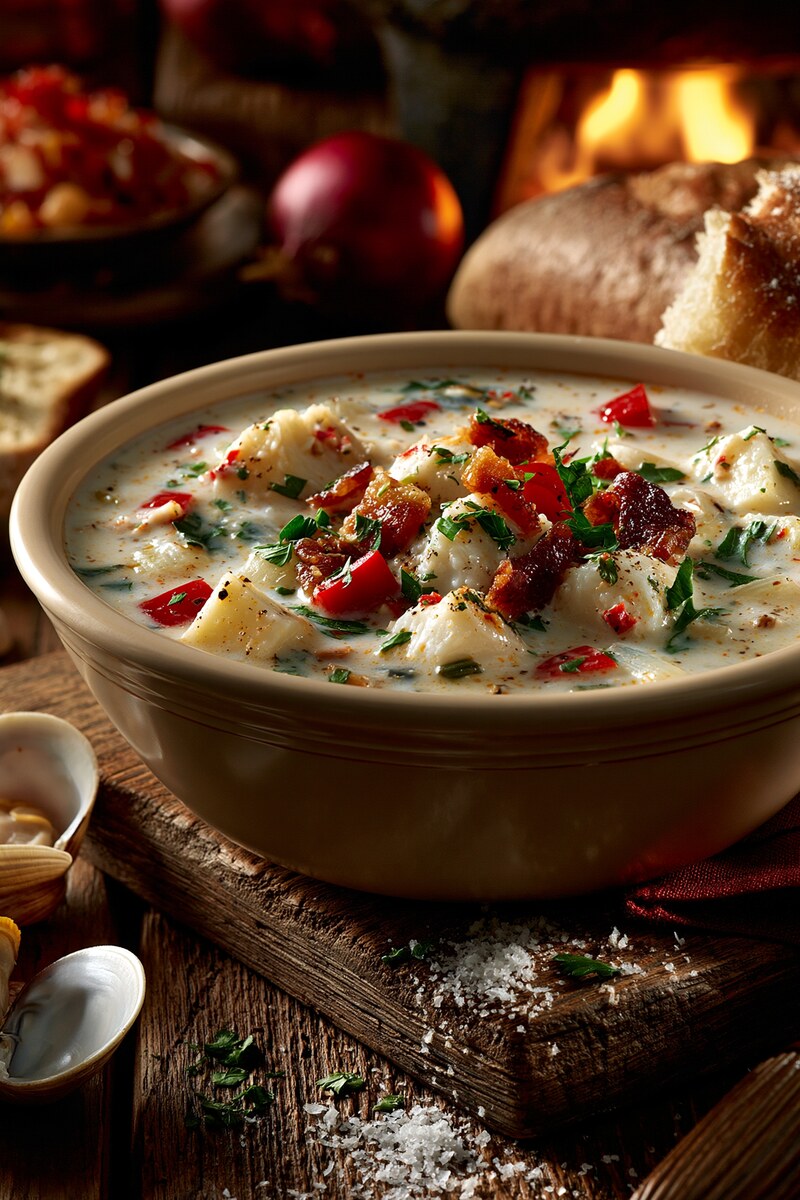
Pacific NW Clam Chowder
Lighter, brinier, more herb-forward than its New England cousin — the West Coast's answer to the bowl.
American
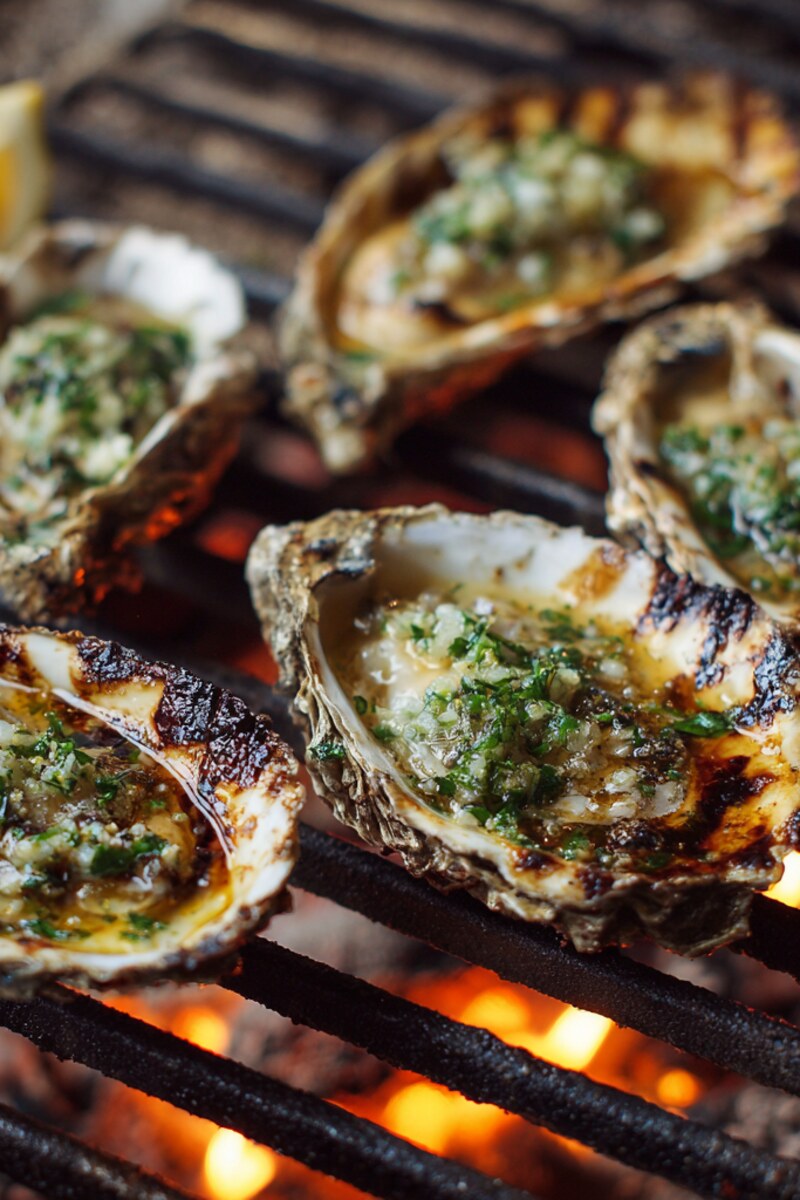
Grilled Oysters Mignonette
Freshly opened Pacific oysters, grilled in the shell — the sea made warm and magnificent.