Eight Cuisines, One Wok
What changes between Cantonese and Sichuan cooking is not the pan — it's the order of operations.
By Cyman Huang · · 7 min read
Home cooks often ask which wok to buy for Sichuan food, as if the metal carried the chili. It doesn't. A fourteen-inch carbon steel pan will cook every recipe in A Guide to Chinese Gastronomy. What changes region to region is sequence and timing.
Cantonese: the shortest possible cook
Cantonese technique is about not damaging anything. Aromatics go in briefly, the protein is often blanched or velveted first, and the sauce arrives at the end so nothing sits and stews. The goal is that a scallop still tastes like a scallop.
Sichuan: build the oil first
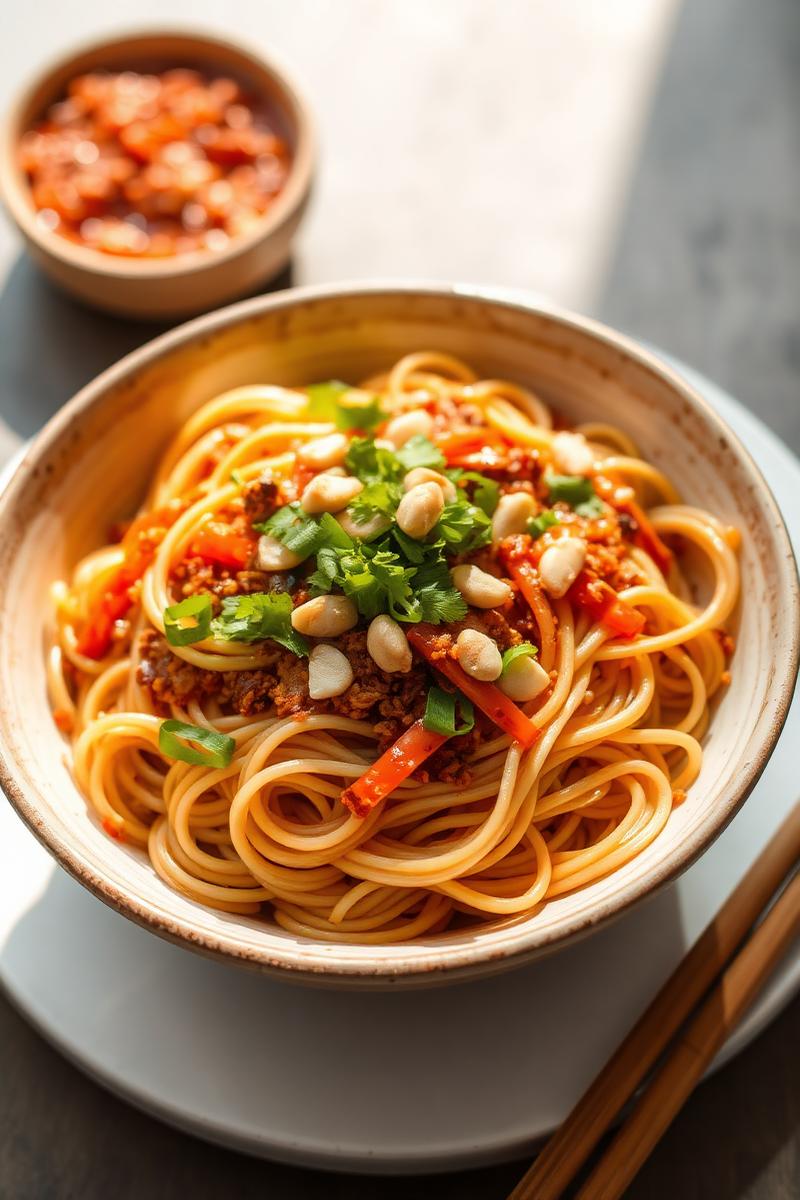
Sichuan cooking front-loads. Doubanjiang, dried chili and peppercorn go into oil before anything else, because the flavor lives in the fat, not the water. Rush that step and you get heat without fragrance — hot, but flat.
“Ma la is not a spice level. It's a sequence: bloom the fat, then cook the food in it.”
Shandong and Jiangsu: patience
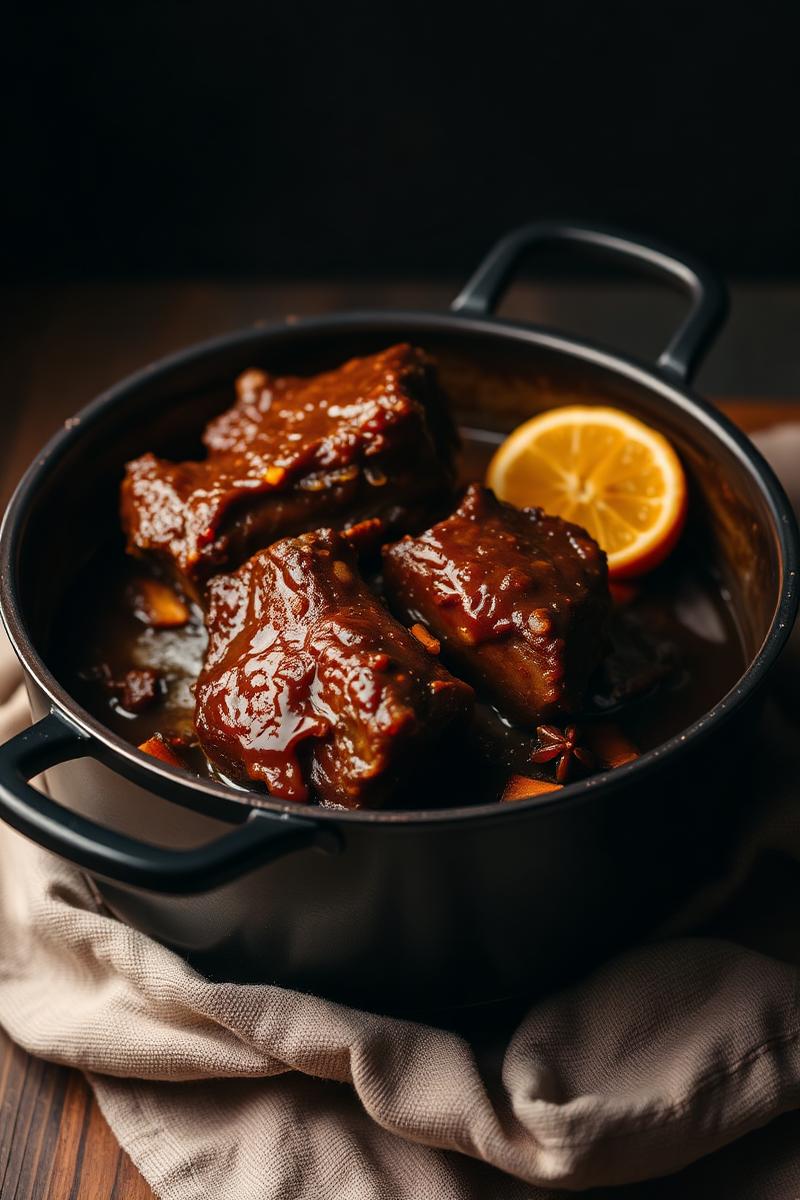
Northern broths and eastern braises reverse the clock entirely. Nothing is quick. The wok becomes a starting point rather than the whole process, and the reward is depth you cannot shortcut with sauce.
Learn those three tempos and most of the eight cuisines open up. Same pan, same burner, different grammar.
- wok
- regional cooking
- technique