
Local Roots, Global Table
Why a kid from Grants Pass, Oregon spent a decade writing down recipes from Taishan, Guangdong.
By Cyman Huang · · 8 min read
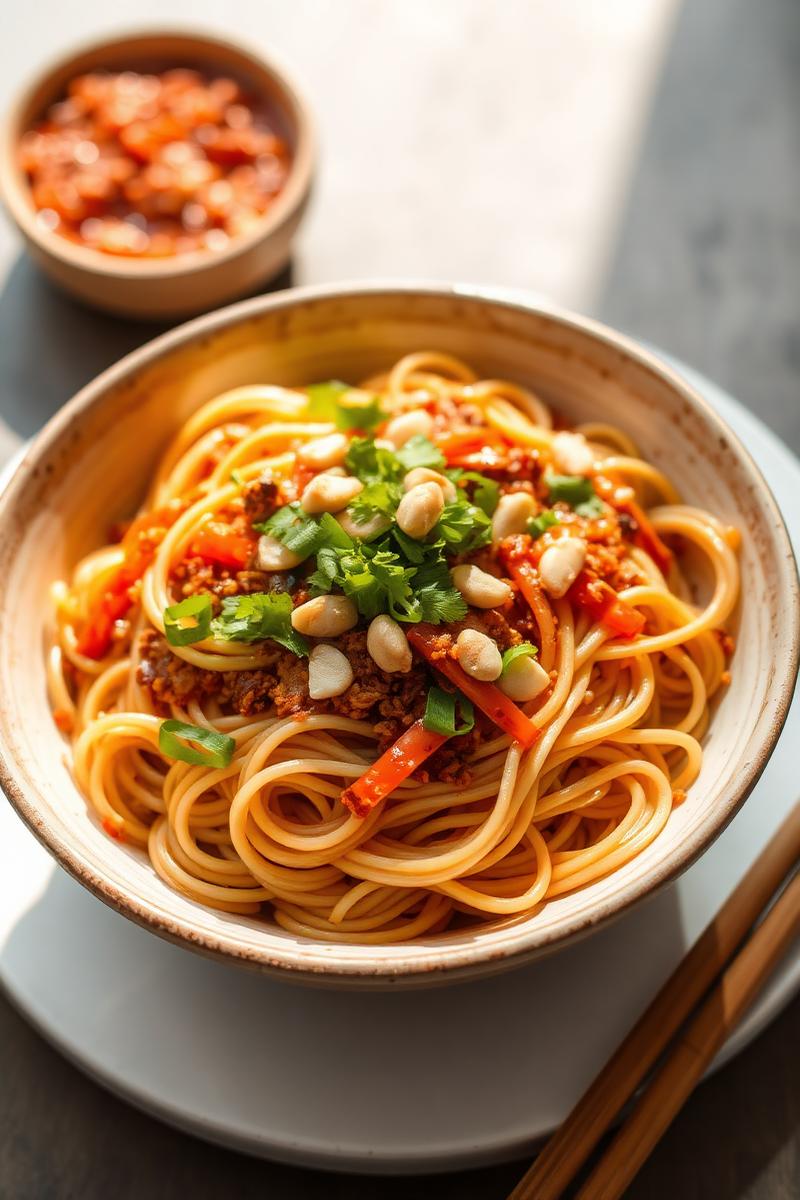
I grew up in Grants Pass, Oregon, in a house where the rice cooker never fully cooled and the freezer held both blackberries picked off the fence line and a bag of dried shrimp. Nobody in that kitchen thought of it as fusion. It was just Tuesday.
A Guide to Chinese Gastronomy started as an attempt to write down what my family cooked before the details went soft. What I found instead was a continent of regional logic: eight cuisines that disagree with each other about fat, heat, sweetness and the order you put things in the pan.
Local is not a small idea
The word local gets used as a shipping radius. In a kitchen it means something closer to allegiance — the way a Cantonese cook reaches for restraint and a Hunanese cook reaches for dry heat, because that is what the land and the weather taught them to want.
“Every regional cuisine is a long argument between what grows nearby and who showed up.”
That is also the honest story of the American table, which is why A Guide to American Gastronomy is the companion volume and not a departure. Southern rice, Oregon berries, borderland chiles, deli pastrami: same argument, different valley.
What the recipes are for
A recipe is a set of instructions and also a claim about how someone lived. I try to write both. If a dish came out of scarcity, the headnote says so. If a step exists only because a restaurant needed volume, I cut it.
Local roots, global table is not a slogan about ingredients. It is a working method: cook the thing where you are, with what is actually in front of you, and be honest about where it came from.
- Taishan
- Oregon
- identity
Keep reading
Technique
Eight Cuisines, One Wok
Kitchen Notes
Cooking the Holidays for a Two-Cuisine Family
Essay